
Optimal Timing for Water Treatments
Water treatments are essential for maintaining water quality and ensuring the safety of drinking water, industrial processes, and irrigation. The optimal timing for water treatments depends on various factors including seasonal changes, water source conditions, and specific treatment goals. Proper scheduling can enhance treatment efficiency and water quality outcomes.
Water treatments are often most effective when aligned with seasonal variations such as temperature fluctuations and water source changes.
Monitoring water source quality helps determine the best treatment timing, especially during periods of increased contamination risk.
Regular maintenance schedules should coincide with treatment cycles to optimize system performance and water quality.
Timing treatments to meet regulatory requirements ensures ongoing compliance and water safety standards.

Advanced systems designed for efficient water purification.

Removing particulates to improve water clarity and safety.

Use of disinfectants and coagulants for water safety.

Regular testing ensures optimal treatment timing.

Assessing source water conditions for treatment planning.
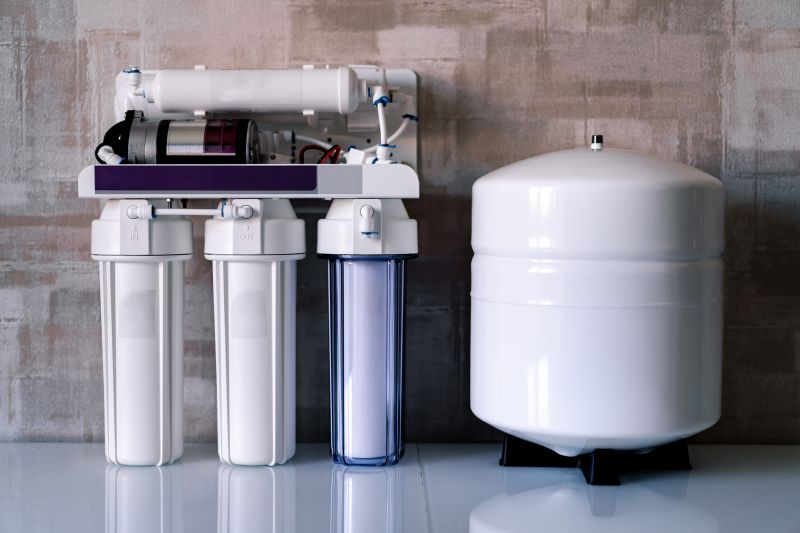
Ensuring pathogens are eliminated effectively.

Proper maintenance supports treatment efficacy.
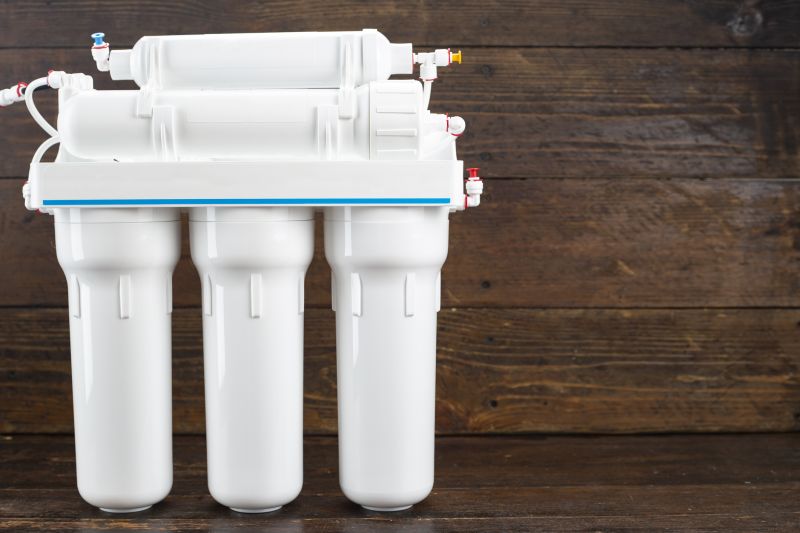
Maintaining water quality throughout the delivery network.

Location of primary water treatment operations.
| Factor | Timing Recommendations |
|---|---|
| Seasonal Changes | Adjust treatments based on temperature and source fluctuations. |
| Water Source Quality | Increase treatment frequency during contamination events. |
| System Maintenance | Schedule treatments alongside maintenance routines. |
| Regulatory Deadlines | Implement treatments to meet compliance deadlines. |
| High Demand Periods | Pre-treat water before peak usage. |
| Temperature Extremes | Treat water during warmer months when microbial activity is higher. |
| Source Water Contamination | Respond promptly to contamination alerts. |
| Water Storage Conditions | Treat stored water regularly to prevent stagnation. |
Effective water treatment scheduling is crucial for ensuring water safety and quality. Understanding seasonal patterns, monitoring water source conditions, and maintaining treatment systems are vital components of an optimal treatment plan. Regular testing and adherence to regulatory guidelines further support the timing and effectiveness of water treatments.

Illustration of the multi-stage treatment cycle.

Chlorination and UV systems at work.

Laboratory testing for optimal treatment timing.
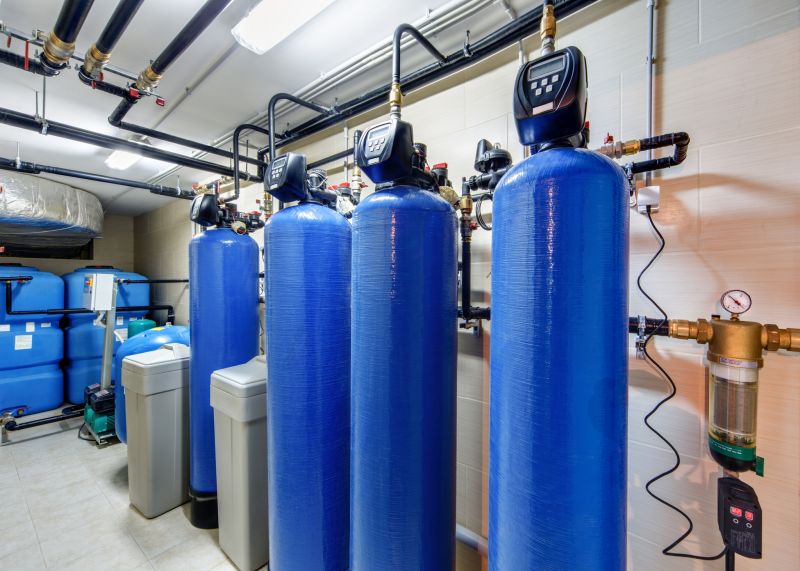
Ensuring clean water delivery.
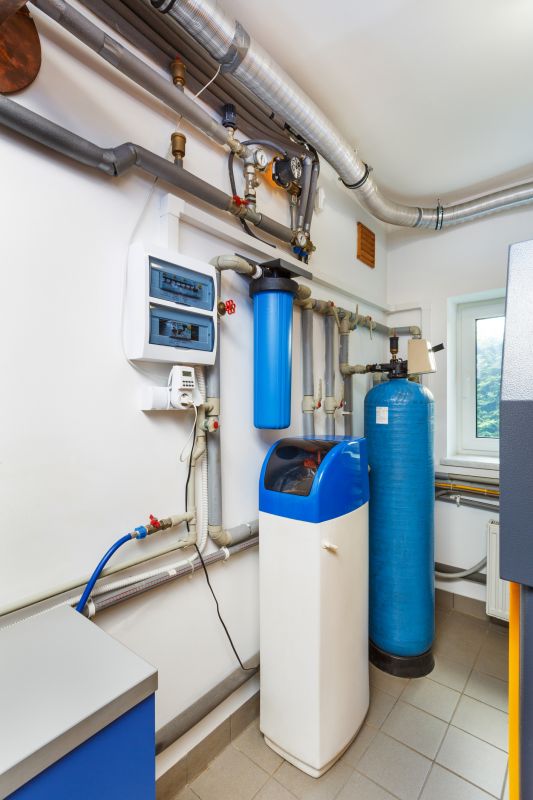
Ways to make Water Treatments work in tight or awkward layouts.

Popular materials for Water Treatments and why they hold up over time.

Simple add-ons that improve Water Treatments without blowing the budget.
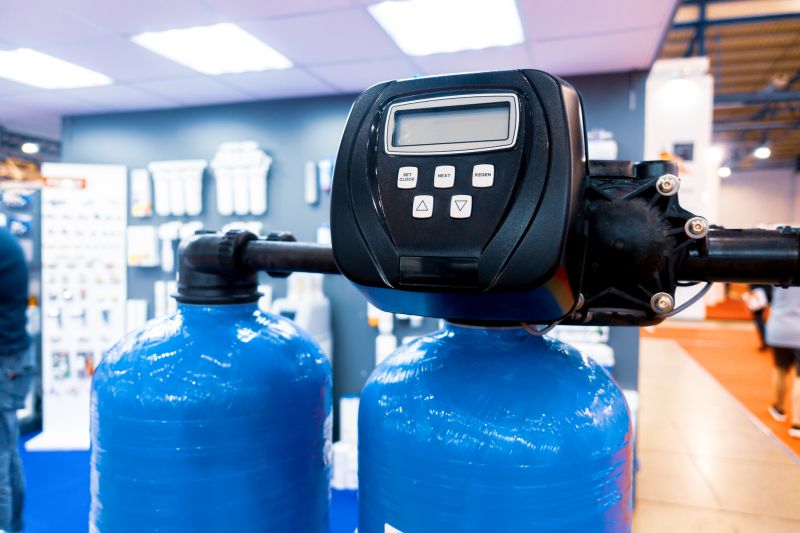
High-end options that actually feel worth it for Water Treatments.
For those interested in scheduling water treatments or seeking more information, completing the contact form is recommended. Proper timing and execution of water treatment processes are essential for maintaining water safety and quality standards.